

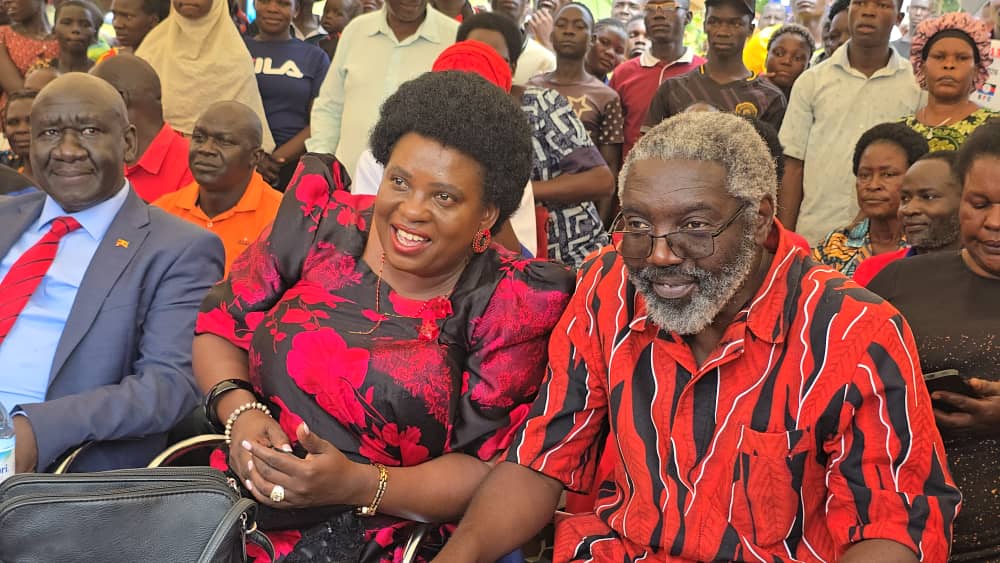
The newly released cabinet list has sparked debate after no member from the families of Uganda’s former heads of state was appointed, marking a shift from previous governments where such appointments had become relatively common.
Among those dropped from cabinet are former State Minister for Foreign Affairs Henry Okello Oryem and former Gender Minister Betty Amongi, both of whom are associated with families linked to Uganda’s past political leadership.
Political analysts and politicians say the exclusion of these families could signal changing political priorities within the ruling government.
Political analyst Wasswa Lule argued that the political rivalry witnessed between the Uganda People's Congress and the ruling National Resistance Movement during the 2026 general elections may have influenced the omission of Betty Amongi from cabinet.
“President Museveni may have reached a point where he no longer sees the need to rely on these families to achieve his political objectives,” Lule said.
Lule further noted that some former state families, including those linked to former presidents Idi Amin and Yusuf Lule, have historically never been considered for cabinet positions, something he believes could be connected to President Yoweri Kaguta Museveni’s historical relationship with those former leaders.
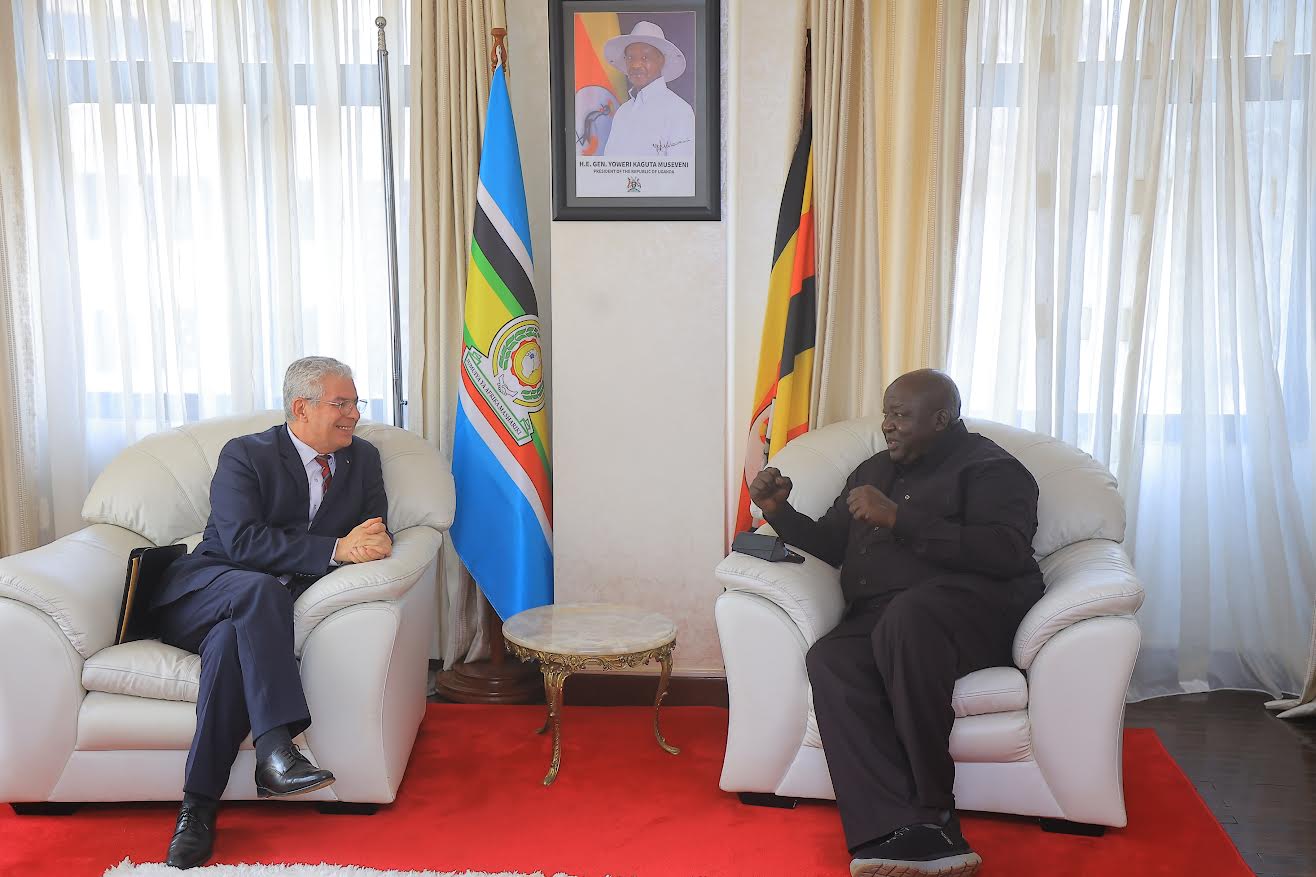
Meanwhile, newly appointed State Minister for Internal Affairs Dr Lawrence Muganga dismissed suggestions that those dropped from cabinet should interpret the changes as politically targeted because of their family backgrounds.
“Those removed from cabinet should not necessarily attribute it to family background, but rather to their performance while in office,” Dr Muganga said.
Analysts say the latest cabinet reshuffle reflects a changing political environment in which loyalty, performance and current political calculations may now carry more weight than historical family ties.
The developments have also reignited broader debate about how Uganda’s political history continues to shape appointments, alliances and perceptions within the country’s governance structures.
